Real-World Asset Tokenization Education

A Structured Framework for Understanding Tokenized Finance

Real-World Asset Tokenization Education provides structured, compliance-aware knowledge about how physical and financial assets are represented on blockchain infrastructure. This learning hub explains how tokenized assets function, how governance models are applied, and how regulatory frameworks differ across jurisdiction.

NBZ LearnHub, is an independent educational platform dedicated to explaining real-world asset (RWA) tokenization, DAO governance models, blockchain-based investment infrastructure, and global regulatory frameworks in a neutral, research-driven format.

Easy Learn

Over 100+ Articles available

Written by Experts

Research Fintech Editorial Team

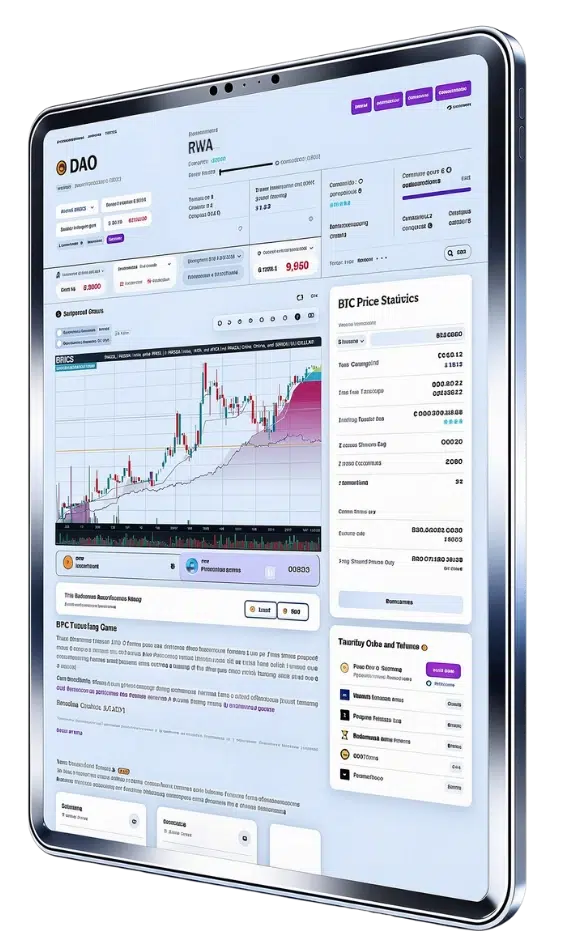
Real-world asset tokenization education illustration
Chainlink logo
Waves logo
The Graph logo
Ren Protocol logo
Band Protocol logo

Why Real-World Asset Tokenization Education Matters

What Knowledge We Cover

The growth of tokenized finance has introduced new concepts such as real-world asset tokenization (RWA), decentralized governance (DAO), and blockchain-based investment infrastructure. These systems are often complex, fragmented, and difficult to understand without technical or regulatory context.
The purpose of Real-World Asset Tokenization Education exists to make complex financial and blockchain-based concepts clear and accessible.

Regulations

Educational overviews of global regulatory approaches and licences

Industry Dictionary

Helps readers build a consistent understanding of industry terminology.

RWA

Foundational concepts and asset categories

Tokenization concept illustration
Community

Meet our Research Team and take part in the future of Decentralized Finance

DAO

Decentralized decision-making and voting systems

Investment Infrastructure

See how tokenized platforms are designed and verified

Discover our Educational Hubs
Governance-and-Oversight-of-RWA ystems
Quick Access

Start Here: Pillars of Real-World Asset Tokenization Education

This homepage acts as the central hub. Each pillar page below expands one core domain with structured subpages and definitions.

If you are new, begin with Real-World Assets (RWA), then review Regulations & Compliance before exploring governance and infrastructure topics.

LearnHub content standards and scope are explained in About the Learning Hub.

Educational Pillars

Our Real-World Asset Tokenization Education platform explores:

LearnHub does not provide investment advice. We provide structured education designed for researchers, professionals, and learners seeking institutional-grade clarity.

RWA Pillar
Real World Asset Education

Real-World Asset Education (RWA)

Real-world assets (RWAs) are legally recognized assets such as real estate, commodities, bonds, equity, and infrastructure contracts that can be digitally represented on blockchain infrastructure.

This section explains:
  • What real-world assets are
  • How tokenization works
  • On-chain vs off-chain models
  • Asset verification systems
  • Legal enforceability structures
DAO Pillar
DAO-Governance-Explained

DAO Governance Explained

DAO Governance and Digital Ownership Coordination refers to Decentralized Autonomous Organizations (DAOs) represent governance frameworks that coordinate decision-making within blockchain-based systems.

This section explores:
  • Governance models
  • Voting systems
  • Proposal mechanisms
  • Treasury coordination
  • Legal compatibility of DAOs
Investment Infrastructure
Tokenization-Investment-Infrastructure

Tokenization & Investment Infrastructure

Understand how blockchain investment infrastructure, custody systems, and tokenized investment platforms are structured, including their architecture, verification mechanisms, and infrastructure layers that enhance transparency and accountability.

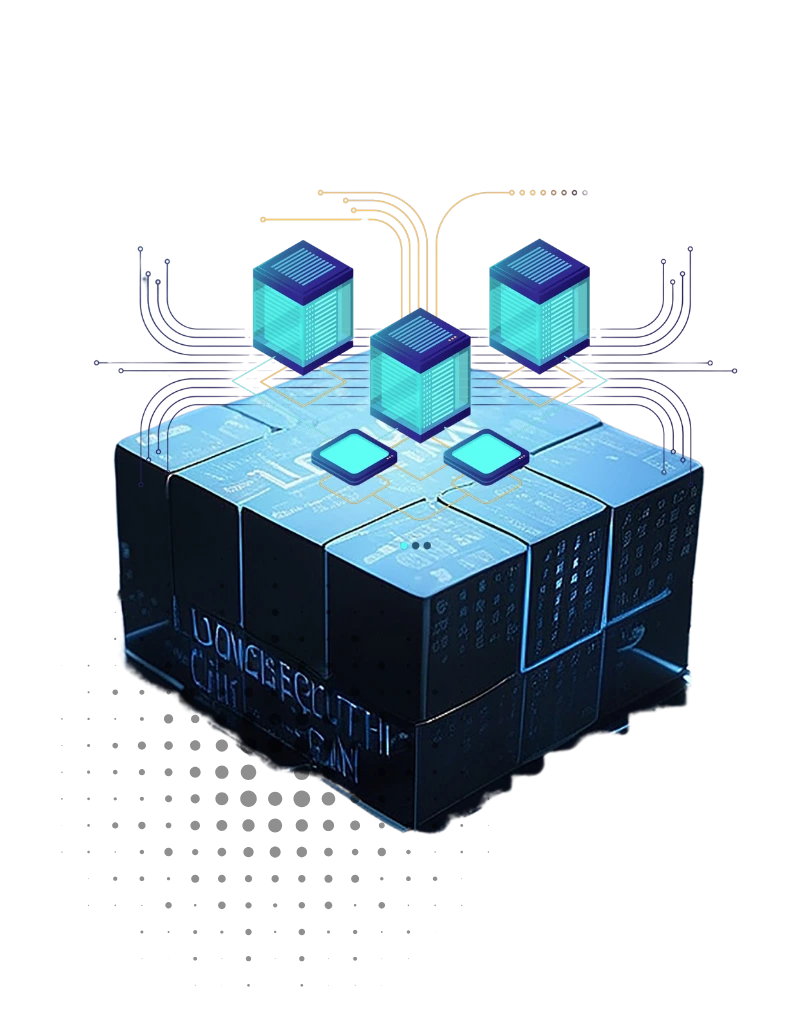
Tokenization relies on coordinated infrastructure layers, including:

  • Legal structuring
  • Custody models
  • Settlement systems
  • Smart contracts
  • Infrastructure synchronization
Regulations and Compliance
Regulation-Compliance

Regulation & Compliance Explained

Learn how global regulatory frameworks apply to tokenized finance, what are the main Licences, why compliance matters, and how regulation aims to protect transparency and market integrity. The content examines regulatory principles from an educational and informational perspective.

This section examines:

  • Securities classification
  • Custody licensing
  • Disclosure obligations
  • Jurisdictional considerations
  • Compliance architecture
Blockchain Glossary Hub
Blockchain-Investment-Education

Glossary & Industry Dictionary

Access a comprehensive glossary providing clear, beginner-friendly definitions of key terms used across blockchain, tokenization, DAO governance, DeFi, and real-world asset finance. The glossary is designed to support learning across all sections of the platform and to help readers build a consistent understanding of industry terminology.

Explore definitions of:

Real-World Asset Tokenization Education
Featured in:

Forbes logo
BeInCrypto logo
Wall Street Journal logo
Money.com logo
Fintech Times logo
Cision logo
Cointelegraph logo

ABOUT

LEARNHUB

Tokenized finance intersects with technology, law, governance, and traditional financial systems. Without neutral educational resources, these topics are often misunderstood or oversimplified.

NBZ LearnHub is an independent educational research platform dedicated to providing structured, neutral, and compliance-aware explanations of real-world asset tokenization and blockchain infrastructure.

LearnHub educational platform overview

Our editorial approach emphasizes:

  • Institutional research sources
  • Regulatory clarity
  • Infrastructure transparency
  • Multi-layer ownership verification
  • Neutral educational framing
The LearnHub exists to provide:

Structured education on real-world asset tokenization

and how legally recognized assets integrate with blockchain infrastructure

Clear explanations of DAO governance, custody systems, and ownership verification models

within digital financial environments

Compliance-aware insights into global regulatory frameworks

affecting tokenized assets and digital ownership systems

Neutral, research-driven analysis of blockchain investment infrastructure

without promotional or investment advice

More About Us

How Our Educational Content Is Created

Articles are written in a neutral tone, reviewed periodically, and updated when relevant frameworks or definitions change. Transparency and accuracy are prioritized over speed or speculation.

Government Sources

Publicly available regulatory frameworks

Trusted Sources

Academic and institutional references

Reports and Audits

Industry standards and technical documentation

Experts Team

Structured editorial review processes

In Simple Terms:

Real-World Asset Tokenization Education explains how ownership rights of physical or financial assets are represented digitally and regulated within modern financial systems.

about learning platform

Articles

Why AI Requires Transparency in Financial Infrastructure: 11 Critical Strategic Justifications

Why AI requires transparency in financial infrastructure is that opaque models can become the Blind Spot weakening governance, while transparent systems become the Control Layer supporting accountability. From algorithm accountability and regulatory compliance to risk monitoring reliability, model auditability, bias detection, and institutional trust, this guide explains why AI must operate inside auditable, explainable, and governance-ready financial infrastructure

Limitations of AI in Investment Infrastructure Explained: 13 Significant Structural Constraints

The limitations of AI in investment infrastructure span 13 structural constraints: data dependency, model drift, AI hallucinations (fabricated outputs that can drive illegal trades), algorithmic bias, overfitting, false positives and negatives, infrastructure complexity, and security vulnerabilities. This guide explains each constraint and the Human-in-the-Loop governance solution that manages them responsibly.

Real-World Assets (RWA)

DAO Governance

Regulations and Compliance

Investment Infrastructure

FAQ

Got questions? Explore the FAQ section to find the information about Real-World Asset Tokenization Education

What is real-world asset tokenization? arrow faq
Real-world asset tokenization is the process of representing ownership rights of physical or financial assets as digital tokens recorded on blockchain infrastructure. These tokens may reflect economic rights, legal ownership, or structured participation, depending on jurisdiction and legal framework.
What does Real-World Asset Tokenization Education cover? arrow faq
Real-World Asset Tokenization Education provides structured knowledge about how assets are legally structured, digitally represented, governed, and regulated. It explains token issuance models, compliance considerations, custody frameworks, and governance mechanisms without promoting investment activity.
Are tokenized real-world assets regulated? arrow faq
Regulation depends on jurisdiction. In many regions, tokenized real-world assets may fall under existing securities, property, or financial services laws. Compliance requirements can include licensing, disclosure obligations, custody standards, and investor qualification rules.
How does governance work in real-world asset tokenization? arrow faq
Governance structures may include issuer-led control models, trustee frameworks, or decentralized governance mechanisms such as DAOs. The structure depends on the legal setup, asset type, and regulatory environment.
Why is education important in real-world asset tokenization? arrow faq
Because the field combines legal, technical, and financial infrastructure layers, Real-World Asset Tokenization Education helps clarify terminology, regulatory boundaries, and structural considerations. Clear education reduces misunderstanding and supports responsible development of tokenized systems.