
Tokenized Real Estate Explained
The following guides examine how tokenized real estate works in practice, including fractional ownership structures, property eligibility, legal frameworks, and the advantages and limitations of representing real estate assets within blockchain-based investment systems.
In Simple Terms
Tokenized real estate refers to the process of representing ownership rights in property assets through blockchain-based tokens.
These tokens can represent fractional ownership, allowing investors to access property-backed investments while maintaining legal ownership structures outside the blockchain.
What Is Tokenized Real Estate?
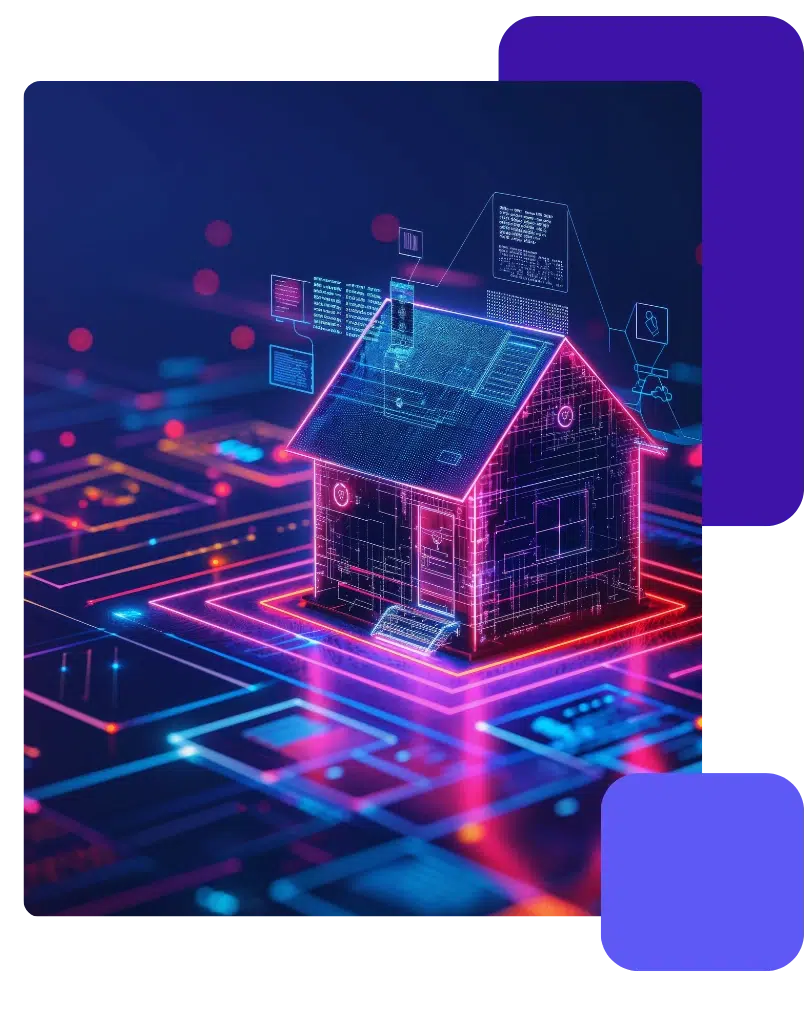
Tokenized real estate is a way of representing property-related rights using digital records.
The property itself , whether residential, commercial, or industrial , continues to exist under normal property law. Tokenization does not change who legally owns the property unless supported by proper legal documentation.
Instead, tokenization may be used to:
The digital record must match the legal structure in order to remain valid and enforceable.
How Tokenized Real Estate Is Structured
Tokenized real estate is not simply about creating a digital token linked to a property. It is a coordinated system that combines legal, operational, and digital elements. Each component plays a specific role in ensuring that the digital representation remains aligned with legally recognized property rights.
To understand how tokenized real estate works in practice, it is helpful to break the structure into its core layers. These layers work together to connect the physical property, the legal framework, and the digital infrastructure in a consistent and accountable way.
Why it Matters?
Understanding these six components makes it easier to see that tokenized real estate is not only a technological model. It is a structured system that connects property law, legal entities, governance processes, and digital infrastructure.
Each layer supports the others, and alignment between them is essential for maintaining legal clarity, operational stability, and regulatory compliance.
Fractional Ownership in Tokenized Real Estate
One frequently discussed concept is fractional ownership. This means dividing ownership interests into smaller portions that can be recorded digitally.
In this structure, multiple participants may hold proportional interests in the same property. Their rights and responsibilities are defined by the legal structure supporting the asset.
Fractional ownership does not remove legal requirements. It changes how participation is organized and recorded.
What Types of Properties Can Be Tokenized?
Different types of real estate may be structured within tokenized systems, depending on legal feasibility.
Examples include:
Each property type may involve different regulatory and operational considerations.
Benefits and Risks of Tokenized Real Estate
Potential Structural Advantages
These advantages depend on proper implementation and legal alignment.
Risks and Considerations
Tokenization does not eliminate traditional real estate risks. It introduces additional structural considerations that must be managed carefully.
Legal and Regulatory Considerations
Real estate is always subject to property law. When digital structures are introduced, additional financial regulations may apply depending on how ownership interests are organized.
Important factors include:
Because regulations differ across jurisdictions, tokenized real estate models must be carefully structured to remain compliant.
Tokenized Real Estate vs Traditional Property Investment
Traditional property investment usually involves direct ownership or shares in a company that owns the property.
Tokenized real estate introduces a digital layer that may change how ownership interests are recorded and managed. However, the underlying property law framework remains in place.
A separate article provides a detailed comparison between tokenized real estate and traditional property investment models.
Explore this section for clear answers to commonly asked questions about the topic.

Tokenized real estate refers to how property assets such as residential, commercial, or mixed-use real estate can be digitally represented through blockchain-based tokenization systems, enabling ownership structuring, fractional participation, and transfer within modern digital investment environments.
Short Summary: Tokenized Real Estate Explained
Tokenized real estate refers to how property assets are digitally represented through blockchain-based systems, allowing ownership interests to be structured, recorded, and transferred within modern digital investment environments.
Understanding this topic helps clarify how residential, commercial, or mixed-use properties can be connected to blockchain infrastructure through legal ownership frameworks and digital representation layers.
In tokenization models, a blockchain token is typically linked to a real-world asset held through an asset custody arrangement, establishing a verifiable connection between the digital record and the underlying property.
A key concept is that blockchain infrastructure can represent fractional ownership claims, enabling property assets to be divided and accessed by multiple participants. Related glossary concepts include tokenization, asset tokenization, and fractional ownership.
A complete understanding also requires examining legal ownership structures, custody frameworks, regulatory considerations, and how property markets interact with blockchain-based tokenization systems.
Explore This Real Estate Tokenization Cluster
Readers researching tokenized real estate often want to understand how properties are tokenized, how fractional ownership is structured, and how tokenized real estate compares to traditional property investment.
- How Tokenized Real Estate Works
- Fractional Ownership in Tokenized Real Estate
- Benefits and Risks of Tokenized Real Estate
- What Types of Properties Can Be Tokenized?
- Legal Structures Behind Tokenized Real Estate
These articles expand the topic by examining ownership models, legal frameworks, and the structural risks and benefits of blockchain-based property investment. The blockchain glossary hub supports this cluster with related concepts such as tokenization, asset custody, and real-world assets.
External Reference
Deeper Learning: Understanding Tokenized Real Estate
A deeper understanding of tokenized real estate requires examining how property ownership can be structured legally, represented digitally, and governed through blockchain-based systems.
Blockchain systems record ownership and connect digital tokens with underlying property assets through legal structures, custody mechanisms, and administrative oversight layers. The reliability of any tokenized property depends on how well those components are designed and maintained.
In practice, this may involve special purpose vehicles, asset custody arrangements, and legal documentation that confirms whether tokens correspond to actual real-world assets.
Serious analysis also requires understanding the difference between property ownership, token representation, and the legal enforceability of those claims. Related glossary concepts include SPV, beneficial ownership, and asset registry.
A complete understanding therefore combines property law, blockchain infrastructure, tokenization models, and custody and verification systems.
Continue Learning About Tokenized Real Estate
To build a fuller picture, it helps to explore the broader RWA cluster alongside the real estate tokenization articles.
- What Are Real-World Assets?
- Real-World Asset Tokenization Explained
- Tokenized Commodities Explained
- Benefits and Risks of RWA Tokenization
These cluster guides expand the topic across asset categories and tokenization infrastructure, supported by glossary concepts such as asset registry and beneficial ownership.