Regulations & Compliance

What Regulations and Compliance mean in Tokenized Finance

What is MiCA Regulation

A structured overview of the European Union’s Markets in Crypto-Assets (MiCA) framework, explaining how it establishes licensing requirements, disclosure standards, investor protection rules, and operational obligations for digital asset issuers across EU.

What Is VARA Regulation

A detailed explanation of Dubai’s Virtual Assets Regulatory Authority (VARA) framework, outlining its supervisory approach, licensing categories, compliance expectations, and oversight mechanisms governing virtual asset activities within the Emirate of Dubai.

Why Compliance Matters in Tokenized Finance

An examination of why regulatory alignment, transparency standards, identity verification procedures, and risk controls are essential in tokenized financial systems to support investor protection, operational integrity, and long-term institutional adoption.

What Is Sharia-Aligned Investing?

An introduction to the foundational principles of Islamic finance, including asset-backing requirements, risk-sharing structures, and prohibitions on interest-based mechanisms, and how these principles may apply within blockchain-based investment environments.

Regulations & Compliance in Tokenized Finance Explained

Regulations and compliance are foundational components of modern financial systems. In tokenized finance where assets may be digitally represented and coordinated through blockchain-based infrastructure, regulatory frameworks continue to play a central role.
Tokenization does not eliminate the need for legal oversight. Instead, it introduces new considerations regarding asset classification, custody, reporting, governance, and cross-border coordination.
Regulation refers to the legal frameworks that govern financial activity. Compliance refers to the process of operating in alignment with those frameworks. Together, regulation and compliance aim to support market integrity, transparency, accountability, and investor protection.

In Simple Terms

Regulations and compliance frameworks define the licensing, disclosure, oversight, and operational controls that govern tokenized finance and digital asset activity across jurisdictions. In practice, compliance focuses on identity verification, investor protection, risk controls, and enforceable legal structures.

This page provides an educational overview of how regulation applies to tokenized finance, why compliance matters, and how global regulatory approaches are evolving in response to digital asset infrastructure.
This content is informational in nature and does not constitute legal advice.

Explore Regulations & Compliance in Detail

What Does Regulation Mean in Tokenized Finance

What Does Regulation Mean in Tokenized Finance?

In financial systems, regulation establishes the rules under which financial activities may operate. These rules may define licensing requirements, disclosure obligations, custody standards, and reporting procedures.
In tokenized finance, regulation may apply to:
- Issuance of digital or tokenized assets
- Custody and safeguarding of underlying assets
- Trading or exchange services
- Investment management activities
- Governance structures
- Risk disclosures
Regulators evaluate how digital representations of assets fit within existing legal definitions. In some cases, tokenized assets may be classified as securities. In other cases, they may fall under different categories depending on jurisdiction and structure.
Tokenization changes the format of asset representation, but it does not remove the legal framework surrounding financial activity.

Why Compliance Exists in Financial Systems

Compliance serves a structural purpose in financial markets. It is not simply administrative formality. It supports the orderly functioning of markets and the protection of participants.
Compliance frameworks may aim to:
- Maintain transparency in financial activity
- Reduce systemic risk
- Prevent misuse of financial systems
- Ensure proper disclosure
- Support fair market practices
In tokenized systems, compliance may extend to digital infrastructure, governance processes, and record-keeping mechanisms.
Compliance requirements may vary significantly by jurisdiction. As tokenized finance operates across borders, regulatory clarity becomes increasingly important.
why compliance exists in financial systems
What Does MiCA Stand For

MiCA vs VARA: A Practical Comparison

Category MiCA (EU) VARA (Dubai)
Scope EU-wide framework for crypto-assets and service providers Dubai-focused framework for virtual asset activities
Primary Focus Harmonized rules, disclosures, conduct, and authorization Licensing, operational controls, and supervisory oversight
Service Provider Requirements Authorization and operational obligations for providers Licensing categories and compliance obligations
Compliance Emphasis Disclosures, governance expectations, consumer protections Operational safeguards, supervision, market conduct

Practical compliance depends on the activity performed, asset classification, and where services are offered.

Regulatory Landscape in Tokenized Finance

Regulatory approaches to tokenized finance vary significantly by jurisdiction. Some frameworks establish dedicated digital asset rules, while others apply existing securities, payments, and financial services regulations to tokenized structures.

  • European Union: regulatory harmonization through MiCA for crypto-asset issuance and service providers.
  • United Arab Emirates: specialized virtual asset supervision through authorities such as VARA (Dubai) and other financial free zone regulators.
  • Other jurisdictions: frameworks may rely on securities law, licensing regimes, or sector-specific guidance depending on asset type and activity.

As a result, compliance is typically assessed based on the asset classification, the service being offered, and the jurisdiction where activity takes place.
Transparency Requirements in Ethical Investment Structures

Key Areas of Regulatory Focus in Tokenized Finance

Regulatory authorities often focus on several core areas when evaluating tokenized platforms. These areas help determine how digital asset systems align with financial law, investor protection standards, and market integrity requirements.

1. Asset Classification

Regulators assess whether a tokenized asset constitutes a security, commodity, payment instrument, or another regulated financial product. Classification determines which legal framework applies and what compliance obligations follow.

Misclassification may expose a platform to enforcement actions, penalties, or operational restrictions. Accurate classification is therefore a foundational regulatory consideration.

2. Licensing and Authorization

Entities engaging in regulated financial activities may require formal authorization or licensing from relevant regulatory authorities. This requirement depends on the nature of the activity performed.
Licensing may apply to:
- Asset issuance
- Custodial services
- Trading or exchange platforms
- Advisory or brokerage services

Operating without appropriate authorization can lead to regulatory intervention or sanctions.

3. Custody and Safeguarding Standards

Regulatory frameworks often establish rules regarding how assets must be held, protected, and segregated. In tokenized finance, custody arrangements must ensure that digital records accurately correspond to legally recognized ownership rights.

Safeguarding standards aim to reduce the risk of asset mismanagement, loss, or unauthorized access. Proper custody design remains central to investor protection.

4. Disclosure and Reporting Obligations

Transparency requirements are commonly implemented through structured reporting and disclosure obligations. Platforms may be required to provide information about asset backing, governance structures, risk exposure, and operational practices.

Disclosure standards vary by jurisdiction and asset classification, but they generally aim to ensure that participants receive sufficient information to understand the structure and risks involved.

5. Anti-Money Laundering (AML) and Financial Crime Prevention

Financial systems are subject to anti-money laundering and counter-financial crime regulations. Tokenized platforms may be required to implement identity verification procedures, transaction monitoring systems, and reporting mechanisms for suspicious activity.

AML requirements remain applicable regardless of whether blockchain infrastructure is used. Digital transparency does not replace regulatory compliance obligations.

6. Governance and Operational Oversight

Regulators may also evaluate how governance processes are structured and how operational risks are managed. This includes reviewing decision-making procedures, internal controls, and accountability mechanisms.

Governance design must align with applicable regulatory frameworks to ensure enforceability, risk mitigation, and responsible administration of tokenized systems.

Global Regulatory Approaches to Tokenized Assets

Regulatory treatment of tokenized assets varies across jurisdictions.
Some regions have introduced structured digital asset frameworks that clarify the treatment of virtual assets. For example, European regulatory initiatives have established region-wide approaches to crypto-asset oversight. Similarly, certain jurisdictions in the Middle East have created dedicated regulatory authorities focused on virtual asset activity.
Other jurisdictions apply existing securities, commodities, or financial services laws to tokenized assets without introducing new frameworks.
Global harmonization remains a work in progress. As digital asset markets operate internationally, coordination between regulatory bodies becomes increasingly relevant.
For detailed regional analysis, see:

Key regulatory frameworks covered on this page include MiCA and VARA.

Major Regulatory Frameworks Relevant to Tokenized Finance

Below are some of the most widely referenced regulatory frameworks relevant to tokenized assets and blockchain-based investment infrastructure.

Tokenized finance operates across jurisdictions, and regulatory treatment varies significantly worldwide. While some countries have introduced dedicated crypto-asset frameworks, others apply existing securities, commodities, or financial services laws to digital assets.

MiCA - European Union
(Markets in Crypto-Assets Regulation)

MiCA is a comprehensive regulatory framework introduced by the European Union to establish uniform rules for crypto-asset markets across EU member states.
MiCA covers areas such as:
- Issuance of certain crypto-assets
- Licensing requirements for crypto-asset service providers
- Consumer protection measures
- Transparency and disclosure obligations

MiCA aims to provide regulatory clarity and harmonization across the EU. Its application depends on asset classification and service type.

VARA - Dubai, UAE
(Virtual Assets Regulatory Authority)

VARA is a dedicated regulatory authority established in Dubai to oversee virtual asset activities within its jurisdiction.
VARA regulates areas such as:
- Virtual asset exchange services
- Custody and safeguarding of virtual assets
- Broker-dealer and advisory services
- Licensing and operational compliance standards

VARA aims to create a structured and supervised environment for virtual asset businesses operating in Dubai. Its application depends on the type of activity conducted and the authorization obtained.

ADGM - UAE
(Abu Dhabi Global Market - Financial Services Regulatory Authority)

ADGM operates as an international financial center in Abu Dhabi, with its Financial Services Regulatory Authority (FSRA) overseeing regulated financial activities, including virtual assets.
ADGM covers areas such as:
- Licensing of virtual asset exchanges
- Digital asset custody frameworks
- Prudential and capital standards
- Anti-money laundering compliance requirements

ADGM provides a principles-based regulatory approach aligned with international financial standards. Its regulatory treatment depends on how digital assets are structured and classified.

SCA - United Arab Emirates
(Securities and Commodities Authority)

The SCA is the federal regulator overseeing securities markets and certain financial activities across the UAE outside financial free zones.
SCA regulates areas such as:
- Securities issuance and trading
- Investment fund activities
- Broker-dealer licensing
- Certain tokenized asset structures classified as securities

If tokenized assets are structured as regulated securities under UAE law, SCA oversight may apply depending on jurisdiction and activity type.

SEC - United States
(Securities and Exchange Commission)

The SEC is the primary regulator of securities markets in the United States and has asserted jurisdiction over certain digital assets classified as securities.
The SEC oversees areas such as:
- Securities registration and disclosure
- Broker-dealer regulation
- Investment advisor oversight
- Enforcement of securities law compliance

When tokenized assets meet the legal definition of securities, SEC requirements may apply. Classification depends on established legal tests and economic substance.

CFTC - United States
(Commodity Futures Trading Commission)

The CFTC regulates derivatives and commodity markets in the United States, including certain digital assets treated as commodities.
The CFTC oversees areas such as:
- Commodity futures and derivatives trading
- Market integrity enforcement
- Exchange operator supervision
Risk management standards for derivatives markets

When tokenized assets reference commodities or derivatives, CFTC jurisdiction may apply depending on structure and market activity.

FCA - United Kingdom
(Financial Conduct Authority)

The FCA regulates financial services and certain crypto-asset activities within the United Kingdom.
The FCA oversees areas such as:
- Registration of crypto-asset firms
- Financial promotion rules
- Consumer protection standards
- Anti-money laundering supervision

Crypto businesses operating in the UK must comply with FCA requirements when conducting regulated activities. Regulatory obligations depend on asset classification and service model.

MAS - Singapore
(Monetary Authority of Singapore)

MAS is Singapore’s central bank and financial regulator, overseeing digital payment token services and certain digital asset activities.
MAS regulates areas such as:
- Licensing of digital payment token services
- Anti-money laundering compliance
- Operational risk management
Consumer protection standards

Singapore applies structured licensing frameworks to digital asset service providers. Regulatory treatment depends on activity type and service scope.

Sharia Governance and Islamic Finance Oversight
- GCC and Global Islamic Finance

Sharia governance frameworks apply in jurisdictions where Islamic finance principles are integrated into financial systems or where products are structured as Sharia-aligned.
Sharia oversight may involve:
- Ethical screening of underlying assets
- Prohibition of interest-based financial structures
- Risk-sharing principles
- Supervision by Sharia advisory boards or scholars

Sharia compliance operates alongside regulatory frameworks and represents an additional ethical governance layer. Its application depends on the structure of the investment and the jurisdiction.

Why Regulatory Diversity Matters

Tokenized finance operates across multiple jurisdictions, and regulatory treatment depends on:

- Jurisdiction of operation
- Nature and classification of the asset
- Type of service provided
- Governance and custody structure

Understanding these frameworks helps clarify how regulation, compliance, and transparency intersect in tokenized financial systems.

How Regulation Supports Transparency and Governance

How Regulation Supports Transparency and Governance

Regulation interacts closely with governance and infrastructure design.
Regulatory requirements may influence:
- How governance decisions are structured
- How custody arrangements are documented
- How transparency mechanisms are implemented
- How risks are disclosed
For example, transparency mechanisms such as proof of reserve or on-chain documentation may complement regulatory disclosure standards. However, digital transparency does not replace formal compliance obligations.
Governance systems must operate within applicable regulatory boundaries. Infrastructure design must align with legal enforceability.
Regulation, governance, and infrastructure are interconnected layers of financial accountability.
How Regulation Supports Transparency and Governance

Core Compliance Mechanisms

Compliance in tokenized finance is operational, not theoretical. It generally involves controls across identity, disclosures, custody, transaction monitoring, and governance oversight.

1) Licensing and Authorization

Many jurisdictions require licenses for activities such as custody, brokerage, exchange services, advisory functions, and issuance. Requirements differ depending on asset classification and the role of the service provider.

2) KYC and AML Controls

Identity verification (KYC) and anti-money laundering (AML) controls are commonly required to reduce illicit finance risks. This may include customer onboarding procedures, sanctions screening, and ongoing monitoring obligations.

3) Disclosures and Investor Protection

Disclosure requirements may include risk statements, governance documentation, asset backing explanations, and operational procedures. The goal is to improve transparency and reduce information asymmetry.

4) Custody and Safekeeping Standards

Custody standards can include segregation of assets, key management policies, audit trails, and operational controls designed to reduce custody failure and misappropriation risks.

5) Monitoring, Reporting, and Auditability

Compliance often includes transaction monitoring, record retention, incident reporting, and auditability requirements. In tokenized systems, this may involve combining on-chain records with off-chain attestations.

Regulatory Risks in Tokenized Finance

Tokenized platforms face regulatory risks that may affect operations and strategic planning.
These risks may include:
- Regulatory uncertainty in emerging frameworks
- Differences between national and regional regulations
- Changing classification standards
- Enforcement actions related to non-compliance
- Cross-border compliance challenges
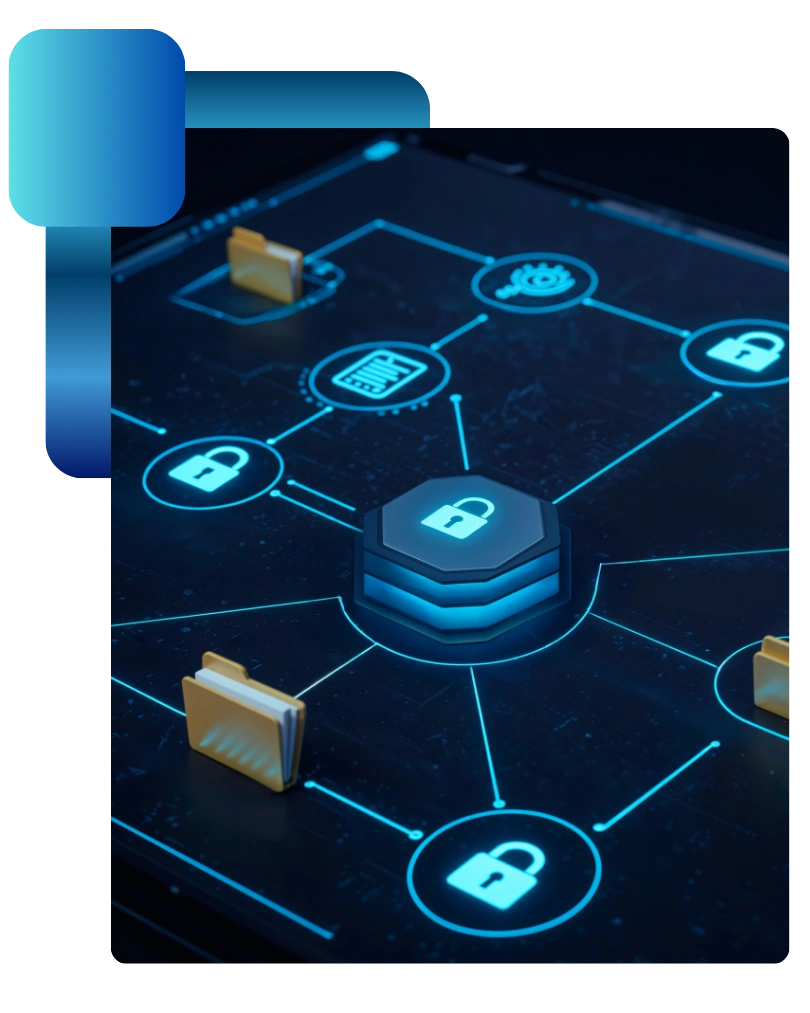
Legal interpretation of digital assets continues to evolve. Platforms operating in multiple jurisdictions must carefully evaluate applicable rules.
Regulatory risk does not imply regulatory opposition to innovation. Rather, it reflects the ongoing development of legal clarity in a changing technological environment.
Regulatory Risks in Tokenized Finance
Compliance vs Innovation Finding Structural Balance

Compliance vs Innovation
Finding Structural Balance

Tokenized finance represents technological innovation in asset representation and coordination. However, innovation operates within legal boundaries.
Compliance does not necessarily restrict innovation. In many cases, clear regulatory frameworks provide legal certainty that supports responsible growth.
Infrastructure design must anticipate regulatory requirements rather than treating compliance as an afterthought. Governance processes, custody models, and transparency mechanisms must align with applicable laws.
A structural balance between innovation and compliance may support long-term credibility in tokenized finance.
alt=

Regulatory Risk and Cross-Jurisdictional Complexity

Regulatory frameworks for tokenized finance continue to develop, and requirements can change as policy evolves. Organizations operating across jurisdictions may face fragmented definitions, overlapping obligations, and differing enforcement approaches.

  • Classification risk: the same tokenized structure may be treated differently depending on jurisdiction.
  • Licensing risk: activities may require authorization even if technology design is decentralized.
  • Operational risk: custody, disclosures, and monitoring expectations can create compliance gaps if not implemented consistently.

For educational purposes, this pillar focuses on how compliance concepts typically apply to tokenized structures without providing legal advice.

Latest articles about Regulations and Compliance
What is MiCA Regulation
What is VARA Regulation
Why Compliance Matters in Tokenized Finance
What is Sharia Aligned Investing
Ethical Investing in Real-World Assets
Knowledge Base

Check Other Pillars
Discover Our Knowledge Base

LearnHub is structured around core educational pillars that define our knowledge framework. Each pillar is designed to provide structured, research-based explanations that promote clarity, transparency, and institutional understanding within tokenized financial ecosystems.

Real World Assets

DAO Governance

Investment Infrastructure

FAQ

Frequently Asked Questions About Regulations and Compliance in Tokenized Finance

What is regulation in tokenized finance? arrow faq
Regulation in tokenized finance refers to the legal frameworks that govern how digital representations of real-world assets are issued, traded, and managed. These regulations define investor protections, licensing requirements, and operational standards for platforms offering tokenized investment products.
Why is compliance important in real-world asset tokenization? arrow faq
Compliance ensures that tokenized real-world asset structures operate within legal boundaries and meet regulatory requirements across jurisdictions. It helps reduce legal risks, enhances transparency, and builds trust among investors, institutions, and regulators.
What are the main regulations affecting tokenized investment platforms? arrow faq
Key regulatory frameworks include regional and international rules such as MiCA in the European Union, VARA regulations in Dubai, and securities laws enforced by authorities like the SEC. These frameworks determine how tokenized assets are classified, issued, and distributed.
Are tokenized real-world assets considered securities? arrow faq
In many jurisdictions, tokenized real-world assets may be classified as securities depending on their structure and the rights they grant to investors. This classification determines whether platforms must comply with securities laws, licensing requirements, and disclosure obligations.
How do tokenized platforms ensure regulatory compliance? arrow faq
Tokenized investment platforms implement compliance through identity verification (KYC), anti-money laundering controls (AML), legal structuring such as SPVs, and smart contract rules aligned with regulatory requirements. These mechanisms help ensure lawful operation and investor protection.

Short Summary: Regulations & Compliance in Digital Finance

Regulations and compliance play a central role in how digital financial systems operate, especially within blockchain-based investment platforms that combine traditional asset structures with modern infrastructure.

Understanding this topic is essential because tokenized financial systems connect blockchain infrastructure with traditional financial markets that require clear legal oversight, investor protection mechanisms, and governance standards.

In modern financial environments, regulatory and compliance frameworks include supervisory structures, investor protection rules, governance requirements, transparency obligations, and licensing standards that apply across digital asset platforms.

A key objective is ensuring that digital asset platforms operate responsibly, maintain financial integrity, and protect participants in emerging blockchain markets. Related glossary concepts may include transparency, governance framework, and regulatory compliance.

Regulatory requirements vary significantly across jurisdictions. As tokenized finance operates across borders, understanding how frameworks such as MiCA, VARA, and other regional standards interact becomes an important part of platform design and operational planning.

A complete understanding therefore requires examining global regulatory frameworks, compliance practices, ethical financial governance, and how regulatory diversity affects tokenized asset markets. Readers can also explore the blockchain glossary hub for supporting definitions across digital finance and tokenized systems.
Why Regulations & Compliance Matter

Readers researching this topic often want to understand how legal frameworks shape blockchain-based financial systems and tokenized investment platforms.

This pillar connects the most important topics in this area, including crypto regulation frameworks, financial compliance standards, and ethical investing principles. Related glossary terms supporting this learning path include transparency, governance framework, and investor protection.

External Reference

For institutional research on financial regulation and digital asset markets, review publications from the Bank for International Settlements (BIS).

Additional regulatory research can also be found through the OECD and the International Monetary Fund (IMF).

Explore Regulations & Compliance Frameworks

MiCA Regulation

VARA Regulation

Why Compliance Matters

These frameworks help readers understand how regulatory systems influence digital asset activity, market oversight, and blockchain-based financial operations. Related glossary concepts include regulatory compliance, governance framework, investor protection, licensing framework, and regulatory oversight.

Ethical and Sharia-Aligned Investing

Sharia-Aligned Investing

Ethical RWA Investing

Together, these sections connect compliance frameworks with broader questions of ethics, governance, and responsible financial participation. Ethical investing in tokenized finance often involves considerations around governance frameworks, on-chain transparency, and investor protection standards that apply across both conventional and Sharia-aligned structures.

Readers exploring this area can also review related glossary concepts including jurisdiction, regulatory oversight, and AML, as well as the broader blockchain glossary hub for supporting definitions across digital finance and tokenized systems.